Re: 中美貿易戰只是剛剛開始 P20 /特朗普不狂P8
Posted: Wed Feb 13, 2019 7:37 am
by editorial
貿易戰關鍵:中國人要美國人來管
劉鶴在白宮橢圓形辦公室當着全世界的電視機鏡頭承諾增購美國黃豆。此舉贏得特朗普六度稱許,指美國農人將額手稱慶。然而中國經濟沙皇不遠千里而來恐怕還是白跑了一趟:特朗普表明不會在三月一日貿易戰停火期屆滿前與習近平會面,意味貿易談判大纜絞唔埋。既無突破,何苦見面?何以談不攏?
劉鶴非一錘定音黨中央
白宮就談判發表聲明,列出七項要求。一、中國終止強制美資企業輸送技術,二、加強保障知識產權,三、簡化入口程序、降低關稅,四、制止網上盜竊美資企業產權,五、終止扭曲市場運作,包括津貼國企導致產能過剩,六、廢除針對美國製造、服務及農業產品的入口屏障及關稅,七、停止操控匯率以左右中美貿易關係。七者關乎中國的政治體制與經濟結構,茲事體大,一時三刻哪能解決得來。
據《華爾街日報》說,除了增購黃豆,劉鶴此行還就入口汽車、開放金融市場有所讓步。然而此皆為陳腔濫調,譬如開放金融市場之議早在特朗普2017年尾訪華時已列入議程。劉鶴乃習近平的親信,理應全權主導談判,何以不能正面回應美方的七項要求?
政治體制攸關也。劉鶴雖是經濟沙皇,卻非一錘定音的黨中央,對7項關鍵要求顯然沒有話語權。雖是全權代表,身在華盛頓則萬萬不能表現軟弱。礙於形勢要讓步,還價卻不能偏離既定的方針路線。何況美方的要求,無論是保障知識產權抑或國企的廢存,處處涉及經濟結構的關節,怎輪到區區一個出使的副總理說了算?
更要命的是,見識過有中共特色的誓神劈願食生菜,特朗普政府學乖了。《華爾街日報》引述美方談判主帥萊特希澤說,爭持不下的關鍵課題(foundational issue),是如何督行中方兌現承諾以確保美方的權益("We have to be in a position where the United States can enforce its rights.")。
整治中興方案堪稱突破
換言之,從一國兩制、高度自治,到加入世貿組織、開放市場,到了今天哪怕是江澤民口中頭腦簡單的白癡亦曉得中共的所謂承諾是何貨色。是以談判的着眼點從來都不是中共作何承諾,而是如何確保天生即擘大眼講大話而面不改容的共產黨不得說一套做又另一套。
以此視之,前此美國商業部整治中興的方案堪稱突破,不難成為美中貿易協議的模式。除了罰款14億美元,為了確保中興不再重蹈販賣違禁物品的覆轍,美國勒令中興——那是家央企!——撤換董事局、派員進駐以監察其運作。在此之先,為了釋除疑慮,華為則出資讓英國人設立實驗室測試其產品有否暗藏機關竊取機密。
不用說這些都是現代版的治外法權了。派駐一兩個美國人進場能有多大的監察效用,見仁見智。然而中共毀約、違約、悔約劣名遠播,不交出主權又何以展示其甘心接受監察的誠意(good faith)?如成龍所言,即使站起來了70年,中國人還是要美國人來管的。
古立
Re: 中美貿易戰只是剛剛開始 P20 /特朗普不狂P8
Posted: Wed Feb 13, 2019 7:44 am
by editorial
習近平已成世界公敵
2018年的全國人大政協換屆會議,習近平利用在中共十九大上獲取的「核心」地位和權力,修改憲法,重新恢復終身制,不僅在國內樹敵無數,也把自己置於人類文明潮流的對立面。
彭斯在哈德遜研究所發表的對華政策演說,表明美國與中共建交40年之後,才認清正是自己幫助中共成為比前蘇聯更強大的共產主義和國家資本主義的堡壘。但是中共頭子鄧小平直到死,都保持對美國的警惕。十三大報告起草期間,鄧小平指示把「絕不走西方三權分立的道路」(吳邦國「五不搞」的雛形)寫入文件,被鮑彤領導的文件起草組以「有些事情只能做,不能說」為由說服,結果不了了之。
蘇聯發生八一九政變,江澤民嚇得在中央重新豎起「反帝反修」的大旗,被鄧小平叫去狠訓:「中央早就否定這個口號了,你當時是副部級,沒聽說?」江澤民被嚇出一身冷汗,從此政策往右拐。從六四之後到蘇聯解體,鄧小平陸續為中共制訂出「韜光養晦,絕不當頭」的24字外交方針,先迷惑了克林頓,1994年5月,他宣佈繼續給中國最惠國待遇,並將貿易和人權脫鈎。後迷惑小布殊,2001年中國正式成為WTO成員。
胡錦濤時代已像彭斯說的進行經濟侵略:「採取一系列與自由和公平貿易相悖的政策手段,例如關稅、配額、貨幣操縱、強制技術轉讓、知識產權盜竊,以及像發糖果一樣隨意發放產業補貼。」以犧牲美國(也是整個西方)利益為代價,成為了世界第二大經濟體。08年奧運後,中共開始膨脹,胡錦濤對內提出「不走老路,不走邪路」,對外提出「中國道路」。不過溫家寶對鄧小平的24字外交方針,仍舊言之鑿鑿,說甚麼「100年不動搖」。
到了習近平主政,中國的內政外交徹底變味。彭斯說「北京正在動用一種政府上下全面參與的方式,利用政治、經濟、軍事以及宣傳手段來擴大其影響,增進其在美國的利益」,對美國和世界進行滲透。彭斯還提及習政權對人權越來越嚴重的迫害,「中國已建立起一個無可匹敵的監控國家」。
華為是中共擴張工具
今天重提彭斯講話,是因為它仍在發酵,1月29日美國國家情報總監科茨在國會聽證會上再次點名中國:「北京正在準備與美國展開一場意識形態戰爭。」「應對中國最好的辦法就是揭露他們,美國司法部起訴華為就是一場具有重大意義的揭露。」
孟晚舟自被捕開始就和中美貿易戰糾纏在一起。1月底劉鶴赴美進行高層貿易談判的飛行途中,美國司法部宣佈起訴華為和孟晚舟,並正式提出引渡;以致孟在加拿大聽證會延後日期和特習商定的90天停戰談判的期限幾乎又貼在一起。
華為對習近平是一個怎樣的關係?美國司法部不下十年的調查取證,已經無可辯駁的證明華為是進行技術偷竊、銀行詐騙、搞關稅壁壘、產品危害國家安全的間諜公司,孟晚舟是執行人和負責人。他們是中共國家資本主義侵蝕國際市場的代表,是習近平實現一帶一路、「2025計劃」,建立世界新秩序不可或缺的高科技工具。
任正非標榜華為是不上市、不融資的「私企」,明顯是謊言。中國哪家私企不陷於信貸危機?雖然向松祚也誇獎華為如果像其他企業一樣炒股票、搞房地產就搞不出如此大的成積,恰好證明它的國家資本主義可以不計成本的本質,就像人民日報、新華社、央視等龍頭媒體,可以不依靠廣告和市場,完全依靠國家。
習近平的倒行逆施是文革的產物,是毛澤東消滅文化、破壞教育50年後結出的惡果,他是要用社會主義佔領和主宰全球的野心家。特朗普發表的兩次國情咨文演說,證明美國仍舊是第二次世界大戰後建立的自由民主國際秩序的領導者和捍衞者。美國正在發起和領導對華為的圍剿不可小覷,這是人類在21世紀上半葉展開與極權奴役制度決戰的重要戰役。
呂月
中國資深傳媒人
Re: 中美貿易戰只是剛剛開始 P20 /特朗普不狂P8
Posted: Wed Feb 13, 2019 7:48 am
by editorial
貿易談判重點
美國貿易代表明天前往北京,與中國舉行新一輪貿易談判。路透社報道說,此輪談判的重點是知識產權保護和中國結構性改革。
中美貿易戰是以美國大幅提高對中國產品的關稅開始的,中國的應對是承諾大量增加購買美國產品和降低美國產品進口中國的稅率,以為這樣美國就OK了。實際上,據美國揭發水門案的資深記者Bob Woodward在新書中說,美國建制派尤其是華盛頓官僚體系成員們的共識是遏制中國,在貿易上矛頭主要指向知識產權和中國結構性改革,不太贊成特朗普通過關稅施壓的方式。因此,新一輪談判才是美國的重點。
甚麼是知識產權?一般人還略知一二。甚麼是結構性改革?相信未必很多人知道,尤其是,中國經濟結構究竟跟美國利益有甚麼相干?我讀了好幾篇文章,今天起略作粗淺解釋。
知識產權是美國最重視的問題。從人類社會來說,知識產權若得不到保護,會嚴重阻礙科技和生產力進步;從企業和個人來說,就是經濟利益的巨大損失。中國本沒有多少科技發明成果,近十多年中國經濟發展,特別是科技產品的表面風光,認真分析一下,哪一樣產品沒有美國的技術影子?最核心的晶片技術,中國連模仿都做不到,只能向美國購買。而大量產品,大都是盜竊和挪用美國和西方的知識產權的產品或山寨產品。中國盜竊知識產權不是零散行動,而是有預謀、有計劃、有組織、有流程,包括「千人計劃」、留學生間諜、網路黑客攻擊、收買美國華裔技術工程師、用國資收購美國科技公司、強迫外資公司技術轉讓、中國製造2025……。中國新修訂的《國家情報法》更寫明,所有中國公民都有義務對國家情報機構提供必要的支持、協助和配合。因此,盜竊行為已成國策與國法。一些外國正牌公司同中國冒牌公司在中國打官司,居然累累敗訴。中國從盜竊科技情報和技術得到巨大的經濟效益,這種行為有損道德和國際法律,美國人已經忍耐多時,終於忍無可忍了。
去年12月26日,中國公佈《外商投資法》草案,納入「不得強制轉讓技術」的規定。希望藉此化解美國對保護知識產權的要求。但這只是「紙上談兵」,中國盜竊知識產權的範圍太廣也太普遍,紙上的承諾不足信,美國想要的是有保證的監察。何況,強迫轉讓技術只是盜竊手段之一。
所謂結構性改革,就是美國要求中國的經濟體制和貿易政策要徹底改變,而不是中國認為的從貿易金額上進行改變。
結構性改革的範圍,涉及關稅結構、非關稅貿易壁壘、國企壟斷、名義上的私企背後由國家撐腰在國際市場競爭……。總括來說,就是國家資本主義的種種結構,在世界自由貿易市場中造成對其他國家和企業的不公平、非對等的優勢。
國家資本主義重視國家利益,自由世界的企業只追求利潤。國家目標與企業目標是有差別的。比如華為與伊朗做生意,營收微不足道,不可能是企業戰略,實實在在是國家戰略。華為在世界各國以低價攻城掠地,不僅僅是為了收入,而是為了控制世界電訊設備市場,然後達到掌控那些國家的資訊資料。美國發動中美貿易戰,就是為了從經濟上阻止中國國家資本主義的野蠻擴張。
李怡
Re: 中美貿易戰只是剛剛開始 P20 /特朗普不狂P8
Posted: Wed Feb 13, 2019 3:26 pm
by editorial
13-2-2019
土耳其外交部上周六(9日)抨擊新疆的「再教育營」是「人道上重大恥辱」,指被關押的人遭酷刑和政治洗腦,呼籲國際社會和聯合國秘書長採取行動,結束在新疆的人道悲劇。在北京,外交部發言人華春瑩形容有關言論非常惡劣,已向土耳其提出嚴正交涉。
美國國務卿蓬佩奧(Mike Pompeo)當地時間周一(11日)開始訪問中歐國家匈牙利、斯洛伐克和波蘭。蓬佩奧警告美國盟友,不要使用中國華為生產的設備,否則美國將更難「與他們合作」。中國官媒《環球時報》則發表社評,指中東歐國家應「保持自我選擇同大國關係的獨立性」,而非選邊站。
Re: 中美貿易戰只是剛剛開始 P20 /特朗普不狂P8
Posted: Wed Feb 13, 2019 3:32 pm
by editorial
美國參眾兩院達成協議 避免政府周五再次關門
【12:12更新】法新社報道,美國參眾兩院達成的協議中,包括13.75億美元撥款興建美墨圍牆,遠低於特朗普要求的57億美元。
【10:12】美國參眾兩院已就邊境安全撥款達成「原則性協議」,以避免聯邦政府周五第二次陷入停擺局面。共和黨參議員謝爾比(Richard Shelby)、民主黨眾議員Nita Lowey在國會大廈宣布此消息。
謝爾比表示,原則上已就邊境安全撥款達成協議,但他沒透露總統特朗普能否取得資金興建美墨圍牆;Lowey亦表示,工作人員正在敲定協議細節。
謝爾比表示,希望白宮會支持眾議院和參議院談判代表達成的協議。
美國聯邦政府局部停擺上月25日踏入第35天之際,特朗普突然簽署沒有美墨圍牆撥款的臨時開支法案,暫時重啟政府3周。不過,特朗普當時警告,若國會未能通過公平的協議,政府可能再次關門,他也可能會宣布緊急狀態以取得建牆經費。
Re: 中美貿易戰只是剛剛開始 P20 /特朗普不狂P8
Posted: Wed Feb 13, 2019 4:26 pm
by editorial
Trump Is ‘Not Happy’ With Border Deal, but Doesn’t Say if He Will Sign It
Trump Says He’s ‘Not Happy’ With Border Deal
President Trump said “I can’t say I’m happy” about a bipartisan border security agreement that doesn’t fund his wall, but he doesn’t think the government will shut down.
Feb. 12, 2019
WASHINGTON — President Trump appeared poised on Tuesday to end two months of scorched-earth confrontation without the money he demanded for a border wall as Republicans pressured him to accept a bipartisan spending deal rather than close the government again on Friday.
Mr. Trump pronounced himself unsatisfied with the agreement brokered by House and Senate negotiators, and he refused to publicly commit to signing it. But he all but ruled out another government shutdown and emphasized that he would find “other methods” to finance a border barrier, leading aides and allies to predict he would grudgingly go along with the deal.
“Am I happy at first glance?” the president said, speaking with reporters at the beginning of a cabinet meeting. “I just got to see it. The answer is no, I’m not. I’m not happy.”
But he said he was “moving things around” in the budget from “far less important areas” to finance a wall even without explicit congressional approval, and he expressed no desire to repeat the standoff that shuttered many federal agencies for 35 days. “I don’t think you’re going to see a shutdown,” he said.
Hours later, after a further briefing, Mr. Trump seemed to signal acceptance of the agreement, saying that it “will be hooked up with lots of money from other sources” and provide plenty of resources for border security even if not for the wall itself. “Regardless of Wall money,” he wrote on Twitter on Tuesday evening, “it is being built as we speak!”
The compromise measure, assembled by senior members of both parties on Monday night, includes just $1.375 billion for new fencing along the border with Mexico, far short of the $5.7 billion Mr. Trump sought for a steel or concrete wall — and less even than the deal that he rejected in December, prompting the longest government shutdown in American history.
The new measure will be taken up as early as Wednesday by the House, which is controlled by Democrats, followed by the Senate, which is run by Republicans.
While some conservatives denounced it as a sellout, Senator Mitch McConnell, Republican of Kentucky and the majority leader, spoke with Mr. Trump by telephone on Tuesday and urged him to accept the compromise. “I hope he’ll sign it,” Mr. McConnell told reporters afterward. “I think he got a pretty good deal.”
Mr. McConnell had initially sought to avoid the confrontation that has consumed the nation’s capital by pressing Mr. Trump to accept the previous measure in December, only to be surprised when the president changed his mind. However unenthusiastically, Mr. McConnell stood by the president for weeks and declined to put spending bills on the Senate floor that Mr. Trump would not sign.
On Tuesday, however, Mr. McConnell made clear that he was ready to put the new spending package to a vote even though the president had not endorsed it and, notably, did not rule out overriding a veto if Mr. Trump turned against the compromise as he did two months ago.
In an attempt to appease Mr. Trump, Republicans repeatedly referred to the deal as a “big down payment” on his wall and indicated that they were open to him transferring funds within the government to build more barriers. Mr. McConnell said he had no objection to the president using whatever “tools” were available. Senator Lamar Alexander of Tennessee suggested using $800 million in drug interdiction funding to shore up border security in areas used by narcotic traffickers.
Republicans also asserted that they scored a victory by fending off Democratic efforts to impose a stricter cap on the number of detention beds for arrested immigrants and by securing any money for a barrier given that Speaker Nancy Pelosi at one point rejected even a single dollar for a wall she deemed immoral.
A spotlight on the people reshaping our politics. A conversation with voters across the country. And a guiding hand through the endless news cycle, telling you what you really need to know.
A Border Patrol agent speaking to migrants across the border fence in El Paso. The compromise includes $1.375 billion for new border fencing, far short of the $5.7 billion Mr. Trump demanded.
A Border Patrol agent speaking to migrants across the border fence in El Paso. The compromise includes $1.375 billion for new border fencing, far short of the $5.7 billion Mr. Trump demanded.CreditJohn Moore/Getty Images
“It’s amazing how shutdown fatigue challenges your flexibility on things,” said Senator Kevin Cramer, Republican of North Dakota, adding that he would most likely support the bill if the final text matched the descriptions he had been given.
Current and former administration officials said on Tuesday that Mr. Trump seemed to be preparing to sign the bill and then reprogram as much money as he can on his own, although they cautioned that the president is unpredictable and his decision would depend on details still to be examined.
Senator Ted Cruz of Texas, who joined Mr. Trump on Monday at a rally in El Paso, told attendees at a Senate Republican lunch on Tuesday that his conversations with the president left him with the impression that Mr. Trump was preparing to “pivot” to a “yes” on the deal, according to a person in the room.
Even Sean Hannity, the Fox News host who denounced the deal on Monday night as a “garbage compromise” that Republicans would have to answer for, said on Tuesday that he expected Mr. Trump to sign it to keep the government open and get his down payment. “He’s telegraphing what he’s going to do,” Mr. Hannity said on his radio program.
Ann Coulter, the conservative commentator whose criticism helped push Mr. Trump into taking a tougher stand in December, agreed but castigated the president for it. “Trump talks a good game on the border wall but it’s increasingly clear he’s afraid to fight for it,” she wrote on Twitter. “Call this his ‘Yellow New Deal.’”
Democrats, who had consented in December to give Mr. Trump $1.6 billion for border security, said this week’s agreement showed the folly of Mr. Trump’s brinkmanship. “The president had a better deal back in 2018,” said Representative Henry Cuellar, Democrat of Texas. “He just ended up in a worse situation.”
Mr. Trump told reporters that he was still thinking about declaring a national emergency to bypass Congress and finance wall construction on his own authority, but aides increasingly doubt he will, given opposition by Mr. McConnell and other Republicans.
Instead, Mr. Trump seemed to be trying to frame the outcome on his own terms by insisting he would still be able to protect the border. “Right now, we’re building a lot of wall,” he said.
In fact, no new walls have been built or financed by Congress based on the prototypes that the Trump administration unveiled in October 2017. Projects to replace or repair about 40 miles of existing barriers have been started or completed since 2017.
Construction of the first extension of the current barriers, 14 miles of a levee wall in the Rio Grande Valley, is scheduled to begin this month, but a butterfly center has asked a judge to block construction because the barrier would bisect its property.
In his remarks on Tuesday, Mr. Trump flip-flopped again on taking responsibility for the government shutdown. During the weeks leading up to the impasse, Mr. Trump said he would be “proud to shut down the government for border security” and would not blame Democrats. Then during the shutdown, as 800,000 federal workers were caught in the middle without paychecks, he blamed Democrats after all.
On Tuesday, he switched gears again and took responsibility. “I accepted the first one, and I’m proud of what we’ve accomplished because people learned during that shutdown all about the problems coming in from the southern border,” he said. “I accept it. I’ve always accepted it. But this one, I would never accept it if it happens, but I don’t think it’s going to happen. But this would be totally on the Democrats.”
As Mr. Trump weighed his options, one person familiar with his thinking described him as frustrated by months of Republicans not doing what he hoped to see done at the border.
Trump Says He’s ‘Building the Wall Anyway’
President Trump spoke at a rally in Texas not long after congressional negotiators said they had reached a tentative deal to keep the government open without full wall funding.CreditCreditSarah Silbiger/The New York Times
A few weeks ago, in a meeting with restrictionist immigration group leaders, Mr. Trump faulted former Speaker Paul D. Ryan, a fellow Republican, for repeatedly deferring action on the wall, with promises of doing it down the road. “Now he’s out fishing!” Mr. Trump declared, according to an attendee.
The new agreement includes a provision that could give the Trump administration broad discretion to increase the number of slots to shelter detained migrants, a win for Republicans that could ease the sting of Mr. Trump’s failure to secure full funding for his wall.
On its face, the agreement authorizes the Department of Homeland Security to fund about 40,000 beds for detainees, many of them in facilities run by for-profit companies and Immigration and Customs Enforcement near the border in Texas, Arizona and California.
In background briefings, House Democratic aides described the language as a “glide path” from the current level of 49,000 detention beds back to Obama-era levels of 35,000 or fewer.
But a summary of the provisions drafted by Senate Republican staff members placed the average number of beds funded under the deal at a much higher number — 45,274, including 2,500 for families. And that could rise to as many as 58,500 beds, Republican aides asserted in internal communications, because federal cabinet departments have latitude in how they use funds.
Under the complex funding formula in the agreement, the Department of Homeland Security would have “reprogramming authority” to transfer as much as $750 million from other programs into detention.
“In short, there is more than enough flexibility for ICE to respond to any forthcoming surges in illegal immigrations and apprehensions,” the document said.
Two Democratic aides said the Republican memo was accurate in theory, but added that such a drastic expansion in beds was unlikely because it would require taking money from other important programs, such as disaster relief.
Democrats on the committee that hashed out the deal, under pressure from immigrant rights groups and their party’s ascendant liberal wing, stalled talks over the weekend by demanding that any deal include a cap of 16,500 beds dedicated to housing detainees apprehended through sweeps of communities away from the border. There are currently 20,000 such slots.
Immigrant rights advocates expressed disappointment. “For the last two years, we’ve been in a defensive posture, working to hold the line and prevent the bad, but now House Democrats have the power to start doing good,” said Lorella Praeli of the American Civil Liberties Union, which has sued the Trump administration over its detention policies.
On the other side of the ideological divide, Representative Tom Graves, Republican of Georgia and one of the 17 House and Senate lawmakers negotiating a deal, said on Twitter that he had not signed off or seen a final agreement. But “based on the reports, I have concerns,” he said. “Lots of questions too.”
Senator Richard C. Shelby, Republican of Alabama, the chairman of the Senate Appropriations Committee and one of four lawmakers who worked out the accord, said he was not worried about objections from the right.
“In some areas, we probably got more than a lot of people expected, and in some areas we didn’t get as much,” he said. “But that’s the nature of the beast.”
Re: 中美貿易戰只是剛剛開始 P20 /特朗普不狂P8
Posted: Thu Feb 14, 2019 9:53 am
by editorial
14-2-2019 外媒
拒絕華為意味著什麼?英媒:對5G和英國高科技的未來都是場災難
- 2019-02-14_09h57_32.png (1.23 MiB) Viewed 4218 times
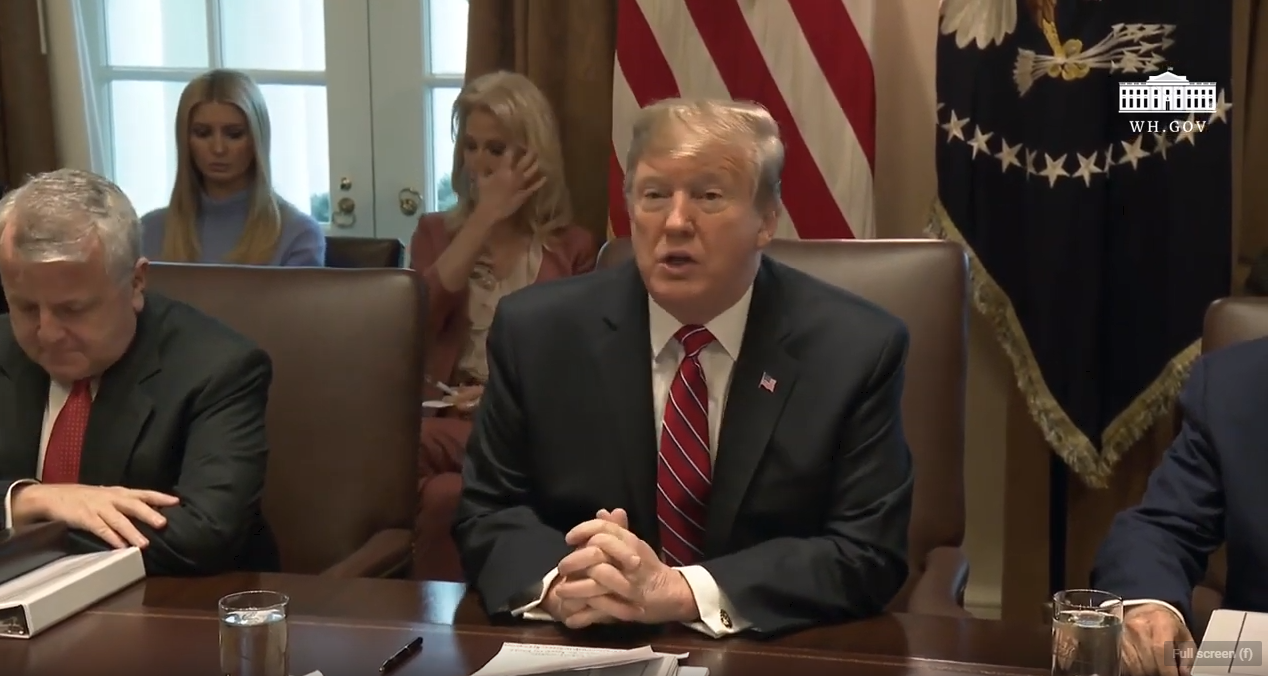
Trump今天開了政府內閣會議。“說共產黨急切的想跟他達成貿易協定,現在美國貿易代表正在北京開會”
「華為大難降臨」美聯:華春瑩迄今最嚴厲指責美國“全力打壓華為 製造各種威脅論” 美國電訊商 T-mobile與Spring將合併為第一大 老闆國會聽證“永遠不使用任何華為與中興設備”
「人質外交毀掉華為大戰略」美聯:中共應對華為孟晚舟事件自曝其醜與華為隸屬真相 孟晚舟多年心血付之東流
加媒『加拿大人要勇敢對抗中共 全面抵制華為』
Re: 中美貿易戰只是剛剛開始 P20 /特朗普不狂P8
Posted: Fri Feb 15, 2019 7:21 am
by editorial
改與不改都死梗
昨天講的三點,是中國的政經結構對美國貿易利益的直接損害。更根本的是另三點。
四是國企壟斷。在自由社會,大部份經濟活動都由自然人或私營企業主導,國家只管擬定稅率和收稅。但在中國,重要資源都被國企壟斷,例如,金融、石油、通信、電力、交通、礦山、學校、醫療。國企壟斷關鍵行業,使人民的生活費用和外企民企的經營成本增加。比如大陸油價,2008年國際原油每桶147美元,中國國內油價6.3元/升(人民幣,下同);十年後的2018年,國際原油每桶75.56美元,國內油價反而升至7.4元/升。若沒有石油壟斷,中國汽車貨運從北京到廣州就可以比現價節省5,000元左右。在中國經營企業,最大受益者是國家和利益集團,而不是如自由社會那樣是企業家和工人。因此,中國是國富民窮,而美國是國窮民富。
民窮,意味底層人群收入低,當然消費不起質優價高的美國產品。
五是扭曲了市場經濟。所謂市場經濟就是經濟領域的事情由市場主導,政府不插手市場的正常運作。法治社會通過法律和司法來規管市場,以維護市場的公平環境。反觀中國,政府是「千手觀音」,無論宏觀經濟,還是微觀經濟領域的毛細血管裏都有政府的影子。甚麼「中央經濟工作會議」、「五年計劃」、「中國製造2025」、「地方政府經濟工作綱要」,發改委、國資委和工商局等等怪物,外企民企都要看着這些怪物的臉色去存活。
六是外資控制權。一家大型外企來投資,在美國是連總統都要表示歡迎的事,但中國法規就定下外資控股不能超過50%。無論外資有多麼大的實力和技術優勢,最後拍板權都是中企。外企在本國都是自主的,到了中國就不得不聽從政府管轄。在西方國家,權力是為企業服務的;在中國,權力就是用來管制企業的。中國政府抓住了經濟控制權,卻破壞了市場競爭和優勝劣汰的規律。
在中美貿易談判中,美國要求中國作結構性改革:清除非關稅貿易壁壘、撤銷出口補貼、允許外資有控制股權、取消國企壟斷、保護知識產權、禁止強迫外資轉讓技術……。說白了,也就是要中國放棄國家資本主義,實行真正的自由市場。在美國壓力下,去年6月中國發改委發佈《外商投資准入》22條,主要是取消許多行業必須由中方控股的限制。儘管紙上的東西,在沒有法治的中國社會要真正執行不容易,但已經受到800多人聯署以「國家主權不容侵犯」為名上書中央反對。不用說,許多人都是國家主義政策保護下的得益者。
這只是結構性改革的其中一項。如果所有結構性改革中國都真正執行,那就形成了中國企業與美國企業真刀對真槍的競爭局面。中國企業脫離了國家這個後盾,與美國企業比拼,必然一敗塗地。而中國政府若沒有了那一大堆間接稅,如何維持龐大的行政費用、三公消費、維穩經費、軍事支出、援助非洲等國家、投資基建刺激就業?
因此,結構性改革,就是體制改革,觸動中共權貴統治集團的核心利益。如習近平去年底說的,屬於「不該改的、不能改的堅決不改」。
改,死梗。堅決不改,受美國帶頭抵制,也死梗。因此中國可能選擇假假地跪低。但美國是否收貨?無論如何,牽動結構性這個死結,中美貿易談判縱有協議,美國對中國的遏制政策,也不會停下來。
李怡
Re: 中美貿易戰只是剛剛開始 P20 /特朗普不狂P8
Posted: Fri Feb 15, 2019 7:32 am
by editorial
中美第三輪談判 特朗普擬限期延60日 美媒:華願採購2000億美元半導體
- yy7.jpg (89.17 KiB) Viewed 4205 times
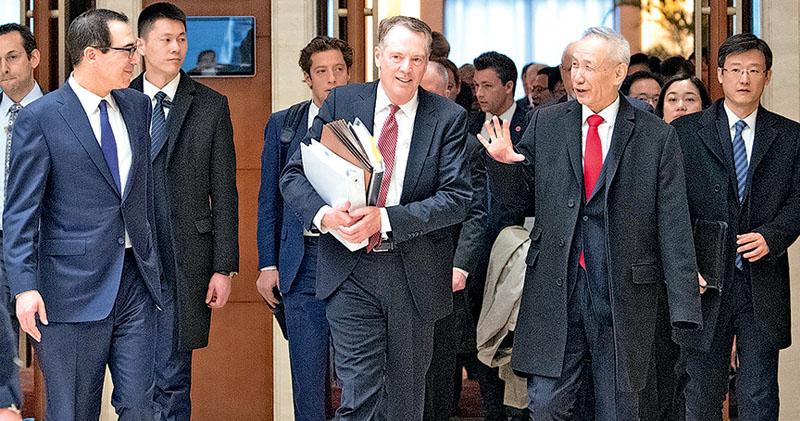
第三輪中美經貿磋商昨在北京釣魚台國賓館芳華苑舉行。圖為副總理、中方牽頭人劉鶴(前右)與美國貿易代表萊特希澤(前中)與美財長梅努欽(前左)步出芳華廳會場時,雙方面露笑容表情輕鬆。(新華社)
為期兩日的第三輪中美經貿磋商昨日上午在北京釣魚台國賓館開鑼,由國務院副總理、中美全面經濟對話中方牽頭人劉鶴與美國貿易代表萊特希澤、財政部長梅努欽共同主持開幕式。美媒稱中國提出向美採購2000億美元半導體和取消國產車補貼,但雙方在多個問題上仍有分歧。對於美媒稱美國總統特朗普正考慮將提高中國輸美產品關稅的3月1日期限延期60日,以便給予雙方更多時間磋商,商務部昨日回應稱,等到中美經貿高級別磋商結束之後,會有一個更好的答覆。
芳華廳可容千人 大於美談判場地
對於昨日的談判,新華社發布了簡短的消息;不過央視卻「罕有」地拍片並在網上推出。從短短1分半鐘的短片中,可見到在簡單的開幕式中,劉鶴在釣魚台國賓館的芳華苑大堂迎接萊特希澤(Robert Lighthizer)、梅努欽(Steven Mnuchin)等美方代表並合影。隨後劉鶴與梅努欽有說有笑一同步入舉行談判的芳華廳。片中還可見到中美談判團隊的陣容。資料顯示,芳華廳面積1.5萬呎左右,最多可以容納千多人;較上一輪在美國談判的場地寬闊許多。
庫德洛:習周五將晤美方代表
此前舉行了為期3天的副部級談判,旨在確定技術細節,包括貿易協議的執行機制。《華爾街日報》報道,在昨日談判中, 中國提出6年內將採購2000億美元美國半導體(Semiconductor)的承諾,還提出取消補貼消費者購買國產新能源小車的政策,希望將美國輸華金額拉高為習特會做好準備。
不過,報道指出改變汽車補貼政策,可能無法處理地方政府禁止外國汽車銷售的類似政策,而增加半導體採購也可能幫助了中國主宰高科技業計畫。
白宮經濟顧問庫德洛(Larry Kudlow)周四在接受霍士新聞(Fox News)採訪時說,中國國家主席習近平周五將與美國談判代表會晤,這是一個積極的迹象。他還說,美國的談判代表正在努力完成這次貿易使命。路透社報道,梅努欽昨在離開酒店時稱,「期待今日的磋商。」但未做進一步闡述。
彭博社昨引述知情人士稱,特朗普考慮把提高中國進口商品關稅的最後期限由3月1日再延長60天,以便為談判達成協議爭取更多時間。依照美方此前的決定,如果雙方未能在3月1日前達成協議,美國將對價值2000億美元的中國輸美產品關稅從10%提高到25%。
商務部:會有一個更好答覆
商務部新聞發言人高峰在新聞發布會上表示,中美經貿高級別磋商正在進行,目前沒有更多的信息透露。對於徵稅延期60日,高峰未正面回應,只表示等到中美經貿高級別磋商結束之後,會有一個更好的答覆。
外交部發言人華春瑩昨日在主持例行記者會時表示,理解大家都非常關心中美經貿高級別磋商,相信大家也都希望中美能達成協議。「目前我們所能做的就是讓雙方的工作團隊聚精會神地進行好磋商,爭取達成一個雙方都能接受的互利共贏的結果,這對世界也有利。」
對於會談結束後,國家主席習近平是否會見來華經貿磋商的美方代表團,華春瑩只是稱,關於中美經貿高級別磋商活動安排,會及時發布消息。早前劉鶴訪美時,特朗普在白宮曾與劉鶴等中方代表團會晤;一般相信,習近平也將會見來華的美方代表團。
在今輪談判舉行之前,《華爾街日報》引述知情人士透露,此輪談判的重點是制定一份貿易協議的總體框架,以便兩國領導人在可能舉行的峰會上最終敲定協議。知情人士表示,中美雙方希望達成一份協議框架,目標是在習近平與特朗普會晤的時候最終敲定。
Re: 中美貿易戰只是剛剛開始 P20 /特朗普不狂P8
Posted: Fri Feb 15, 2019 7:41 am
by editorial
前FBI副局長:司法部曾研罷免特朗普
- 99op.jpg (19.68 KiB) Viewed 4203 times
麥凱貝(Andrew G. McCabe)
美國聯邦調查局(FBI)前副局長麥凱貝(Andrew G. McCabe)受訪時承認,在FBI局長科米被總統特朗普炒掉後,司法部高層曾研究邀請內閣官員幫忙,啟動憲法第25修正案,將特朗普趕下台。麥凱貝還下令FBI擴大俄羅斯干預大選的調查範圍,調查特朗普炒科米有否妨礙司法公正,甚至特朗普是否替俄羅斯工作。
圖拉攏副總統內閣成員聯手
麥凱貝接受「60分鐘時事雜誌」訪問,訂於周日播出,部分內容昨日曝光。「60分鐘」主持佩利昨稱,麥凱貝在訪問中證實《紐約時報》早前報道,指前副司法部長羅森斯坦曾「多於一次」提議偷錄與特朗普的對話;麥凱貝及司法部其他高層曾商討是否可拉攏副總統及大部分內閣成員聯手宣布特朗普不再適合任職,按第25修正案趕特朗普下台。
《紐約時報》去年9月收到匿名高官投書,指內閣早有人討論援引第25修正案罷免特朗普,只因不想引起憲政危機而作罷。文章又指政府內部有「抵抗聯盟」,阻止特朗普亂作為。
麥凱貝去年3月退休前夕被時任司法部長塞申斯革職。其新作The Threat: How the F.B.I. Protects America in the Age of Terror and Trump(《威脅:FBI如何在恐怖主義和特朗普的年代保護美國》)將在下周推出。
(紐約時報)